

“My 18 month old son is a firecracker and he loves to run, especially away from me! We live in an apartment complex with a parking lot and he just sees it as a big open space to sprint in, not a danger zone. How can we work with him to learn where to run safely and to come back when Momma and Daddy say ‘come here?’ Right now he interprets that as a reason to run away faster and it becomes a game.”
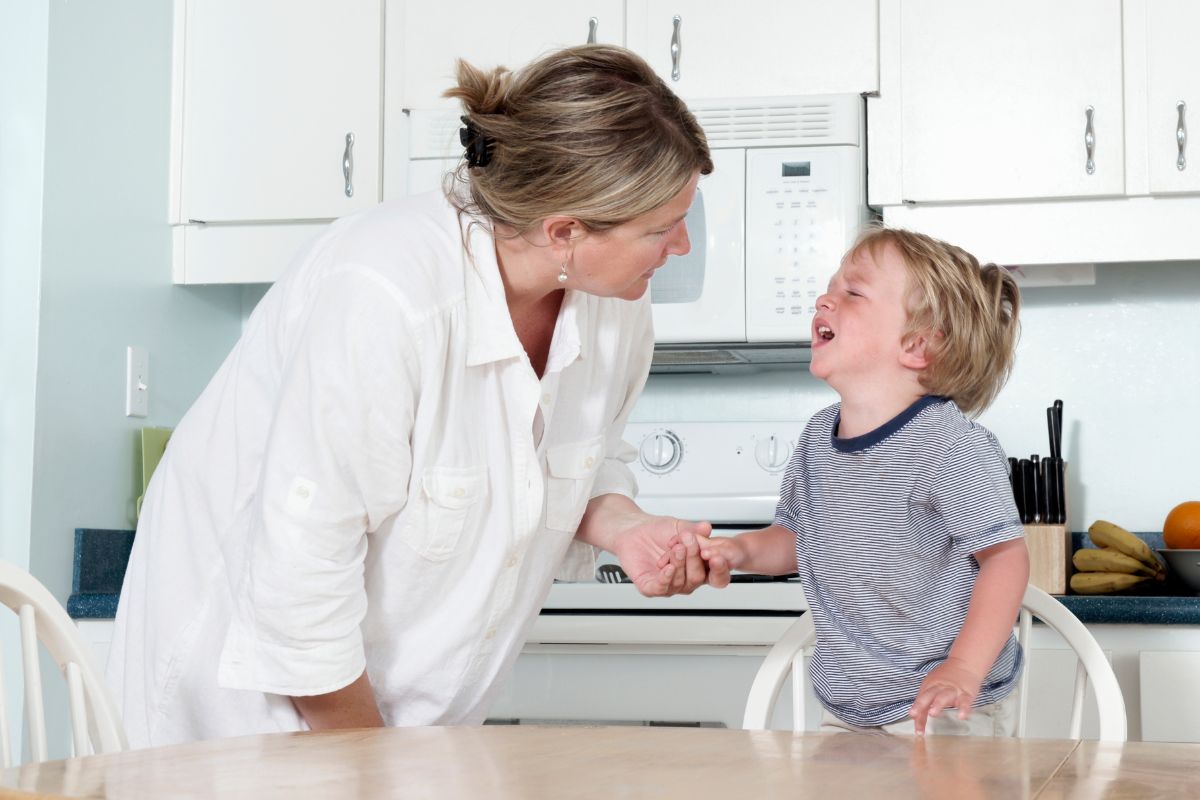
A child who is just discovering how fast his legs can move is now going to put them to the test, and a large open parking space seems to be the best kind of runway available in the area. Whenever you say "come here" and he bursts off laughing, he's figured out that those two words start his favorite game: you chase him, he squeals, and then everyone runs. The chasing is the reward. This kind of behavior is entirely normal for a child at that age, which is also why the parking lot requires a different approach than the park.
Remember that children this age don't understand the concept of danger. They can't tell the difference between a pavement and a parking space; they act on a whim, and one-year-olds are the age group most frequently struck by cars reversing out of parking spaces. Children can't judge how fast a car is going or how far away it is until they are close to ten years old. So I would split this task into two responsibilities. In the parking lot, your role should be to act as his brakes; elsewhere, your role should be to teach him how to stop and come back.
For the parking lot:
Make it a rule each time. Kids and Car Safety suggest that young children should be carried or ridden in a stroller or cart when in parking lots. Keep the message brief and identical every time by saying, "Parking lots are for holding hands. You can hold my hand, or I can carry you." If he pulls away, calmly pick him up. No lecture is needed; the action itself is the lesson.
Give him something to do with his hands. Whenever you're about to leave the door or to open the car, say “Hand on the car” as you are picking up the bags or unfastening yourself, or have him carry the keys or a small bag. Busy hands and a clear task make it a bit less tempting to bolt.
Let him sprint in some safe place. An enclosed playground, a large open field, or a long hallway on a rainy day. When a toddler has the opportunity to run in a safe area, he has less steam accumulated to release between the cars.
For teaching "come here" (practice this away from cars):
When it's safe to do so, stop chasing; in a safe situation, you should crouch down with your arms open. Many toddlers tend to go right back once the chasing has stopped. Of course, if he is in an unsafe place, go get him, but do it quickly and calmly, keeping the fun to a minimum. A dull scoop ends the game faster than a dramatic chase.
Let “come here” signify something positive. Ask him to come over for some bubbles, a snack, or a big hug, and then praise him when he does so by saying, “You've come to me! Here's a high five!” If “come here” always meant that the fun was ending, it would be no wonder that he ran the other way. Giving children quick praise helps them understand exactly what you want them to do next time.
Make stopping into a game by running together and then freezing when you say "Ready, set... STOP!" Play red light, green light, or the freeze dance. Each time he freezes at the right moment during one of the games, he's building the same ability you'll need in a real situation.
Get close and keep your message brief since asking an 18-month-old to respond from 20 feet away is a big ask. Approach him, get yourself to his eye level, hold out your hand, and use two or three words.
Save one word for actual danger. In ordinary situations, use “come here” and keep one strong word, for example, “STOP!” for real safety situations. Make sure he knows it by practicing it in your games, but don't overuse it.
It won't click after a week; most toddlers need a lot of repetition, and you'll be holding hands in the parking lots for years to come. Think of it like a car seat - you don't wait for him to understand the physics of crashes before you buckle him in. Instead, you keep him safe at this stage while his understanding develops. Each time he calmly returns, and each time you say “you came back!”, you're helping build the brakes he'll one day use on his own.
Eighteen months is also an appropriate time to raise any worries you may have. Since pediatricians do developmental screening at 18 months and autism screening at both 18 and 24 months, if he rarely responds when his name is called, isn't pointing or using a few words, or seems to be wandering off into his own world, you should mention it. A toddler who laughs and looks over his shoulder to make sure you're coming is generally playing with you.
If escaping is just one of the many things toddlers do to test your patience, the PedsDocTalk Toddlers & Tantrums Course covers boundaries and follow-through and provides scripts for when your child seems determined to do the opposite.

“I have a four-year-old and a three-year-old who are in preschool full-time. I recently had my third son who is almost 2 weeks old now. Heading into winter, how can I keep my baby safe from his germy older siblings? The older boys are fully vaccinated, including flu. I got the flu vaccine and RSV vaccine while I was pregnant. I don't allow shoes in the house and I make the boys wash their hands as soon as they get home. What else can I possibly do?”
Congratulations on baby #3! Before looking at all the other things you can do, just take a moment to realize all that you've already achieved. You've had your big brothers vaccinated, given flu vaccines to everyone, received your own flu and RSV vaccines during pregnancy, and you've got the shoes off and hands washed at the door. That's a very solid foundation.
I would also like to be honest with you. Even if you do your best, your baby is likely to have one or two colds this winter since there are two preschool-aged children in the house. The goal is to reduce his exposure during the first few months, when he is most susceptible, and to know what signs to watch for.
Pregnancy vaccines do more than you may think. Antibodies from these vaccines pass to your baby, which matters for the flu since babies can't get their own flu shot until they are 6 months old. With respect to RSV, if your baby was born at least 14 days after you received your RSV vaccine, then most infants won't need the infant RSV antibody as well (CDC). However, if your baby was born before then, ask your pediatrician about it. I explain both RSV options in this PedsDocTalk post.
A few more layers you can add:
Change clothes after preschool. Taking off your shoes helps, since school clothes can also carry germs. When they come home, quickly putting on some clothes for home helps reduce what goes from the classroom to the couch.
Leave a bit of space for the baby's face. You can gently tell older children not to kiss the baby on the face. Make it a fun rule for big brothers: kisses should go on the toes or the top of his head. Since preschool children enjoy having a responsibility, let them act as his official "germ guards."
Check the status of the other adults who look after him regularly, such as your partner, the grandparents, or a sitter, to ensure they have had their Tdap and flu vaccines. Because whooping cough can make newborns seriously ill, this precaution matters.
If an older brother falls ill, try to keep them apart. Sick siblings should not hold or play with the baby, and if one needs to be close, they should wear a mask and wash their hands. Keep cups, towels, and toys separate for a few days; you can't completely isolate a three-year-old from his mother, so reduce contact and accept that some contact will have to happen.
If you are breastfeeding and you get sick, keep breastfeeding since the breast milk contains antibodies which help to protect him.
For now, keep excursions and the number of visitors low; make them shorter, have fewer people attend, and make sure they are healthy and wash their hands before holding him.
The most important rule is to contact your pediatrician immediately if the baby is under three months old and has a temperature of 100.4°F or above. A rectal temperature is the most accurate method to use when the baby is that young. You should also call if the baby is feeding considerably less, grunting with every breath, or just seems wrong to you; you know your baby, even at two weeks.
You can't escape the fact that you'll have preschool children, and there's no need to try. Instead, build a strong level of protection when he's small, then rely on your judgment to know when to see a doctor. The colds he picks up later on are merely his immune system gaining experience.
For a full look at every vaccine your boys will get, plus seasonal ones like flu and RSV, and answers to common questions, the PedsDocTalk Childhood Vaccine Guide has it all in one place.
Ask Dr. Mona
Ask Dr. Mona all your parenting questions!
Dr. Mona will answer these questions in a future Sunday Morning Q&A email. Chances are if you have a parenting concern or question, another parent can relate. So let's figure this out together!

